Places carry memory too
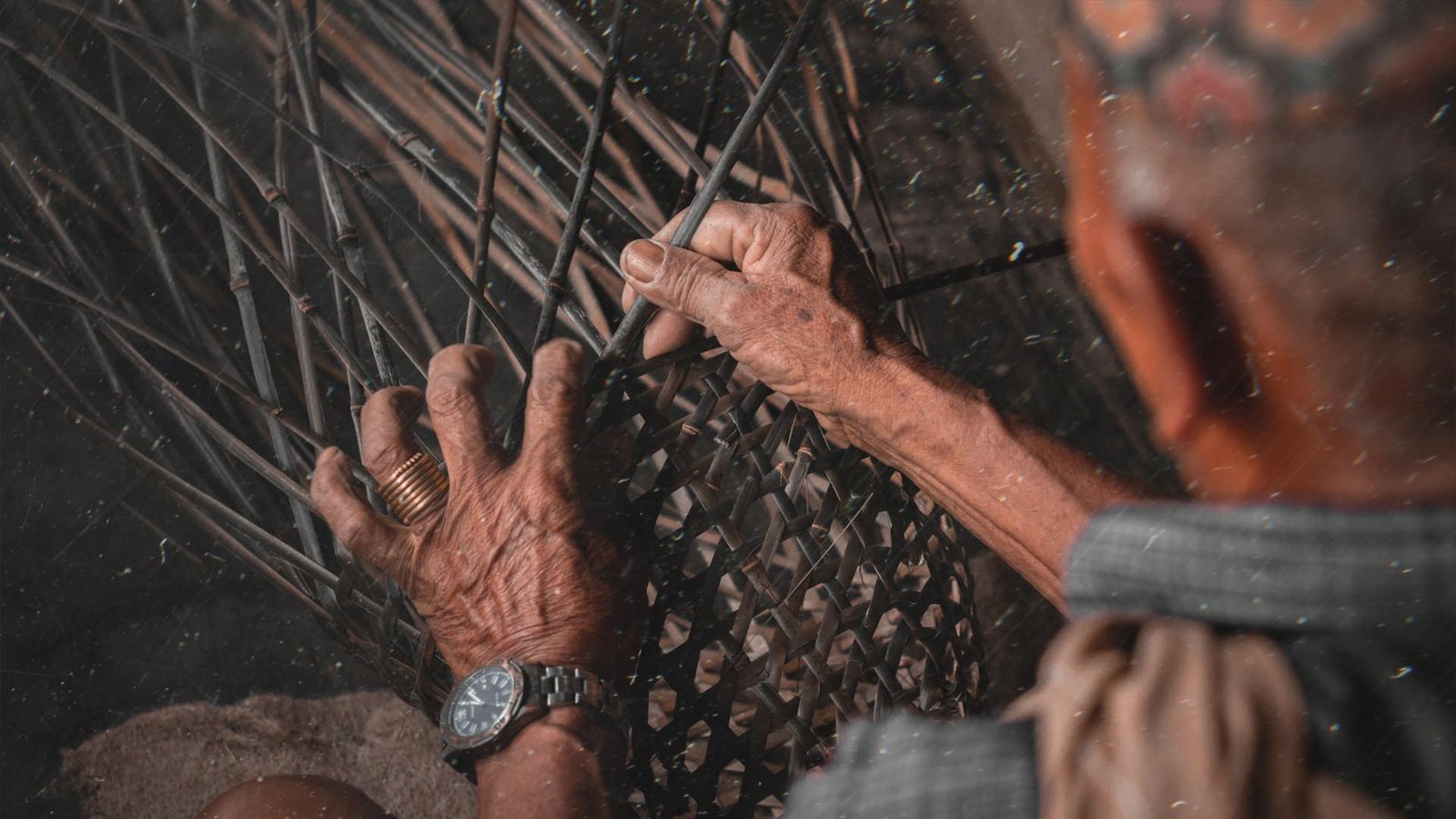
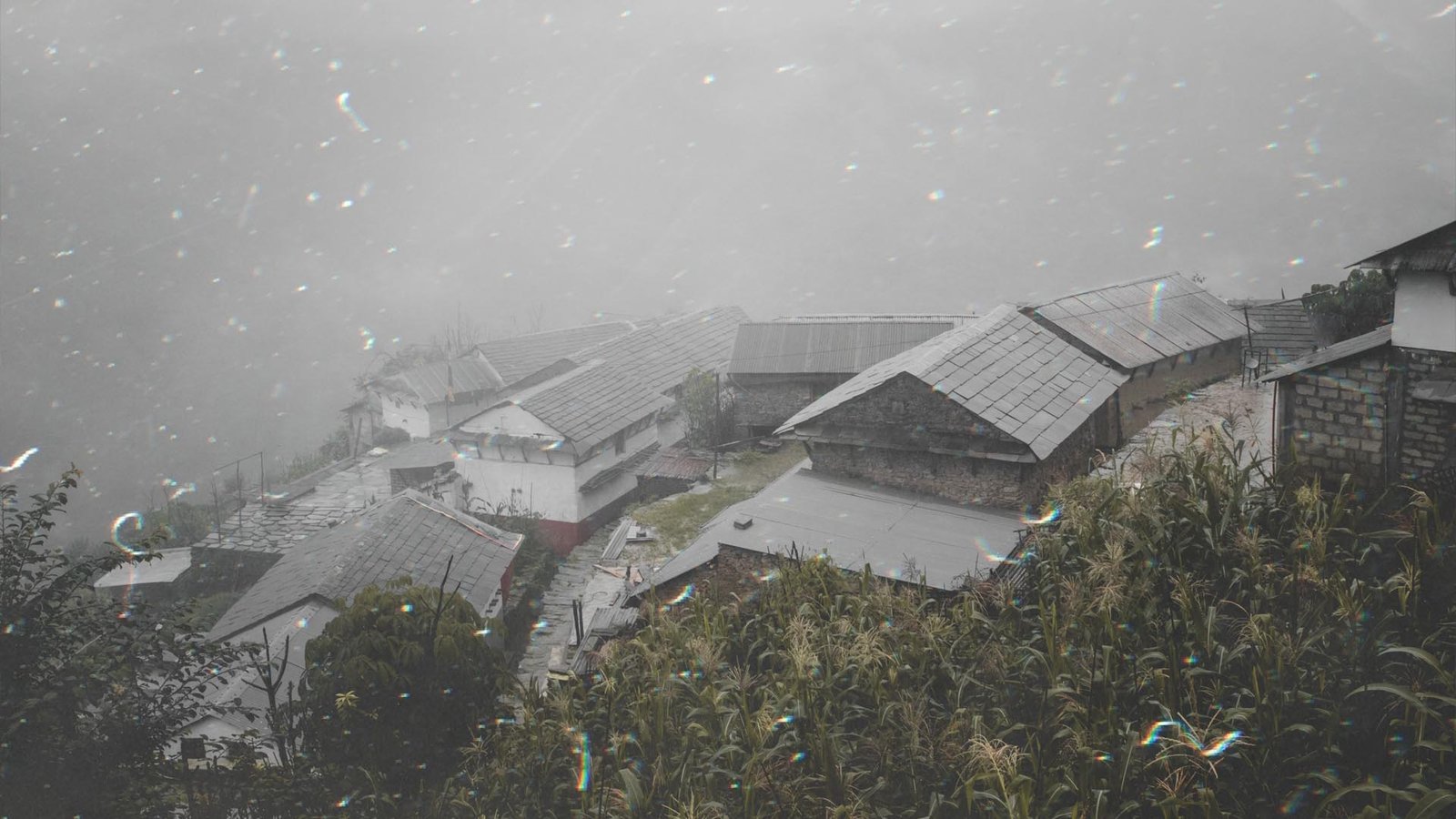
A village is more than a place. It is memory in motion.
Homes, paths, fields and voices together tell the story of how life was lived — and how it is changing.
Places carry memory too
Homes, paths, fields and voices together tell the story of how life was lived — and how it is changing.
Remote journeys across Nepal.
We sat, we listened, we cared.
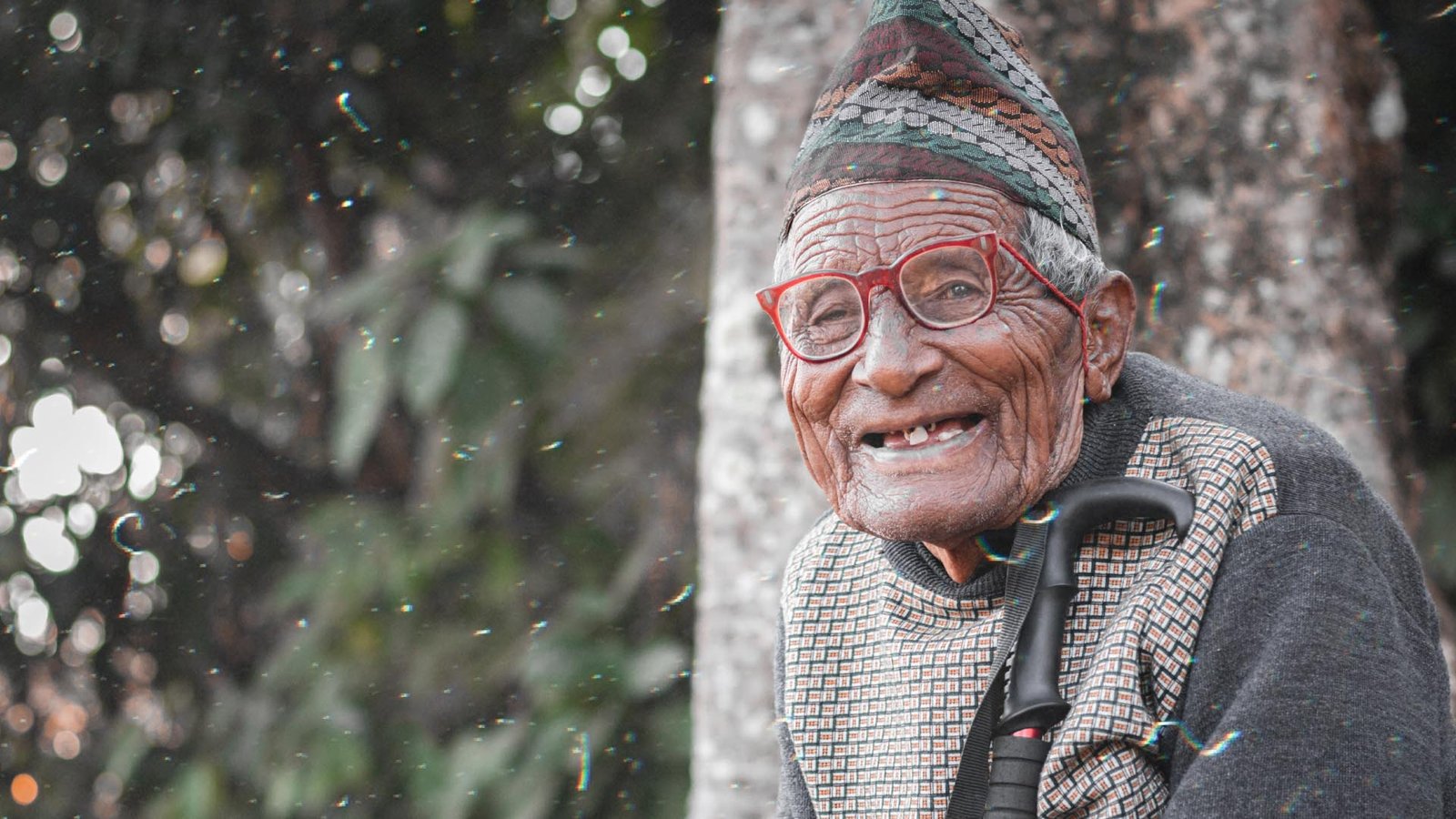
Real people who stopped to listen.
Real moments, preserved in time.
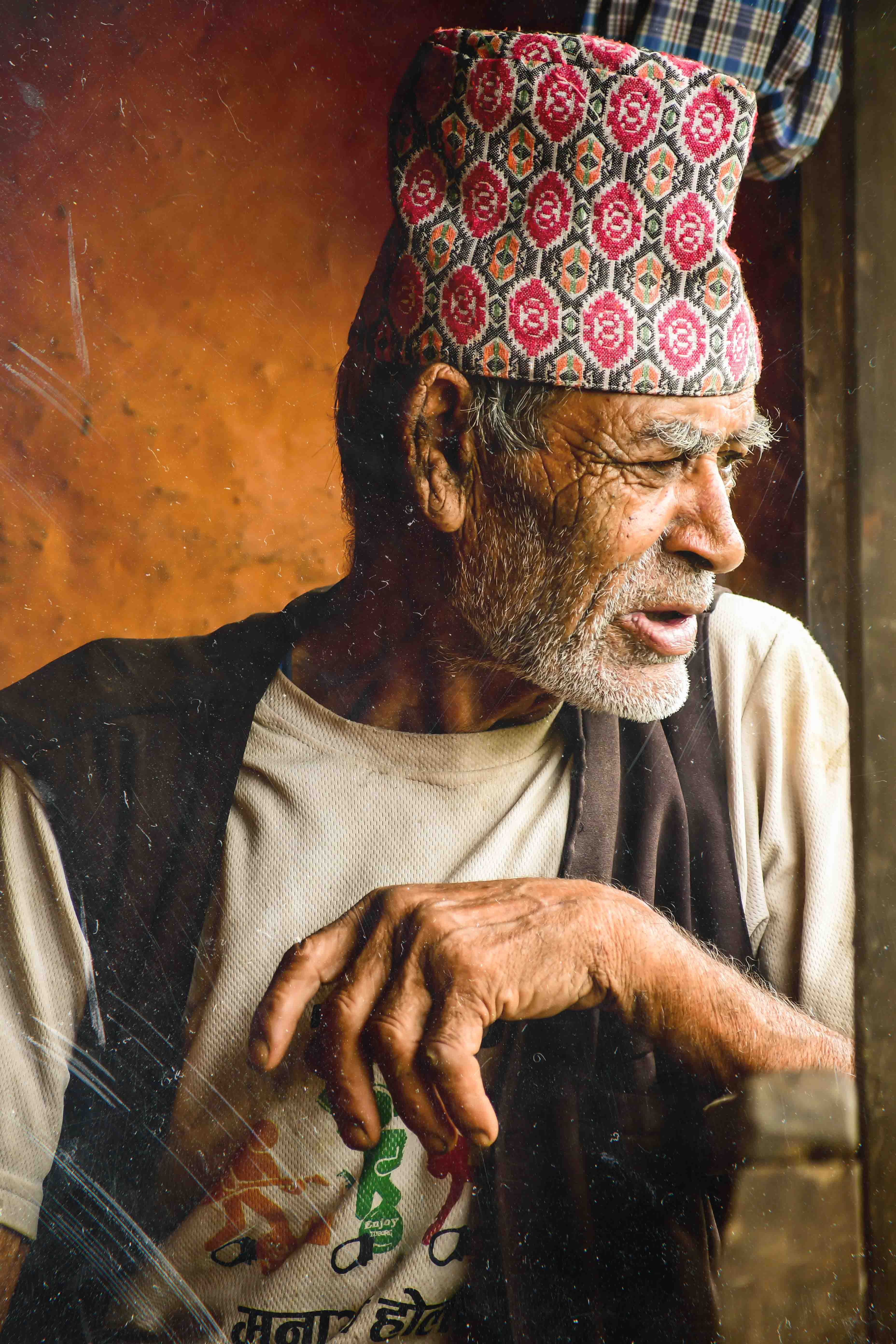
Why Katha Hijo Ko exists
It should sound like a voice you can still hear, feel like a place you can still recognise, and carry the details that ordinary history books leave behind.
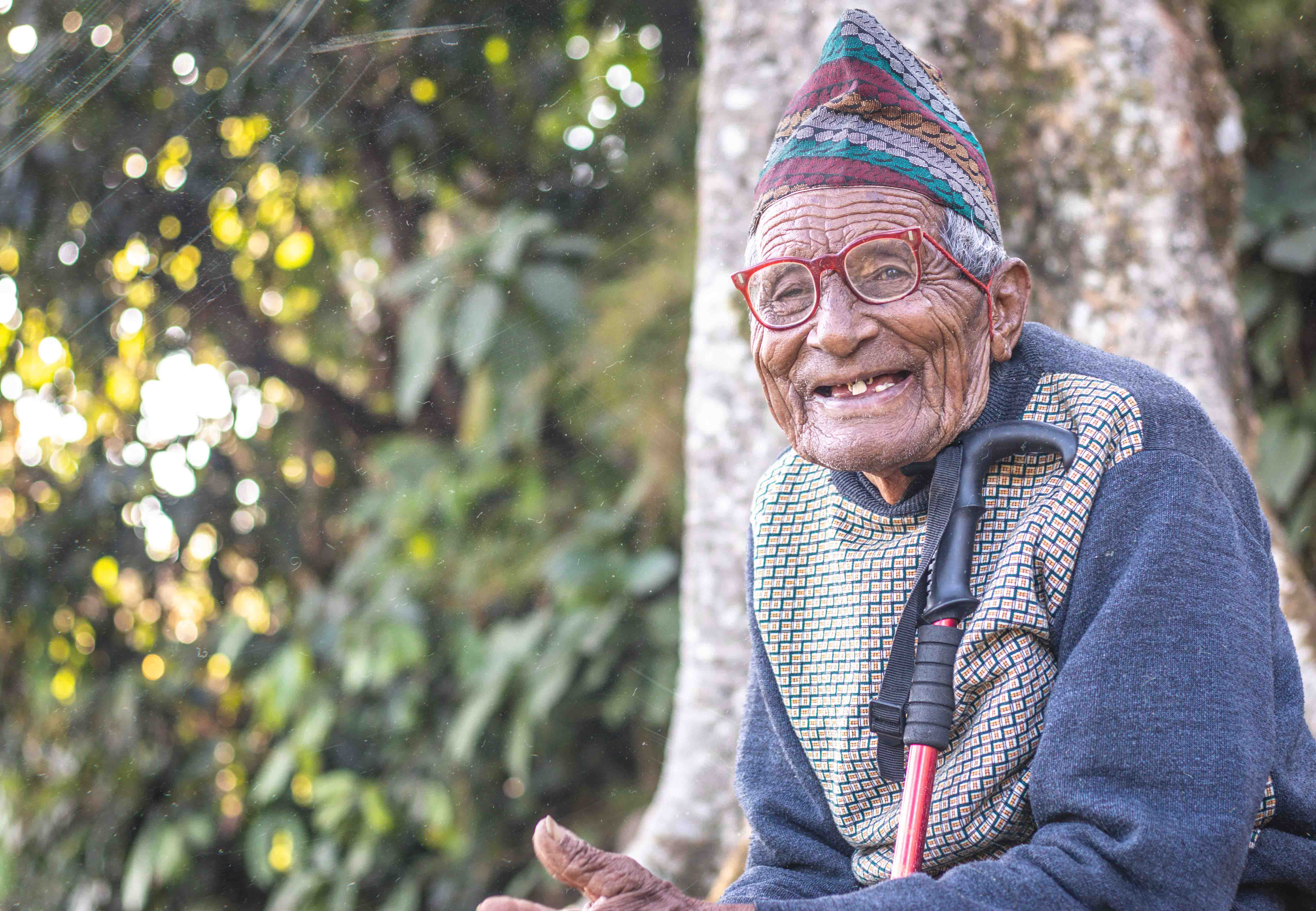
We document elders’ voices, family memories, work, traditions and everyday knowledge so younger generations can experience the past through the people who actually lived it.
not nostalgia — living memory
Meet the story keepers
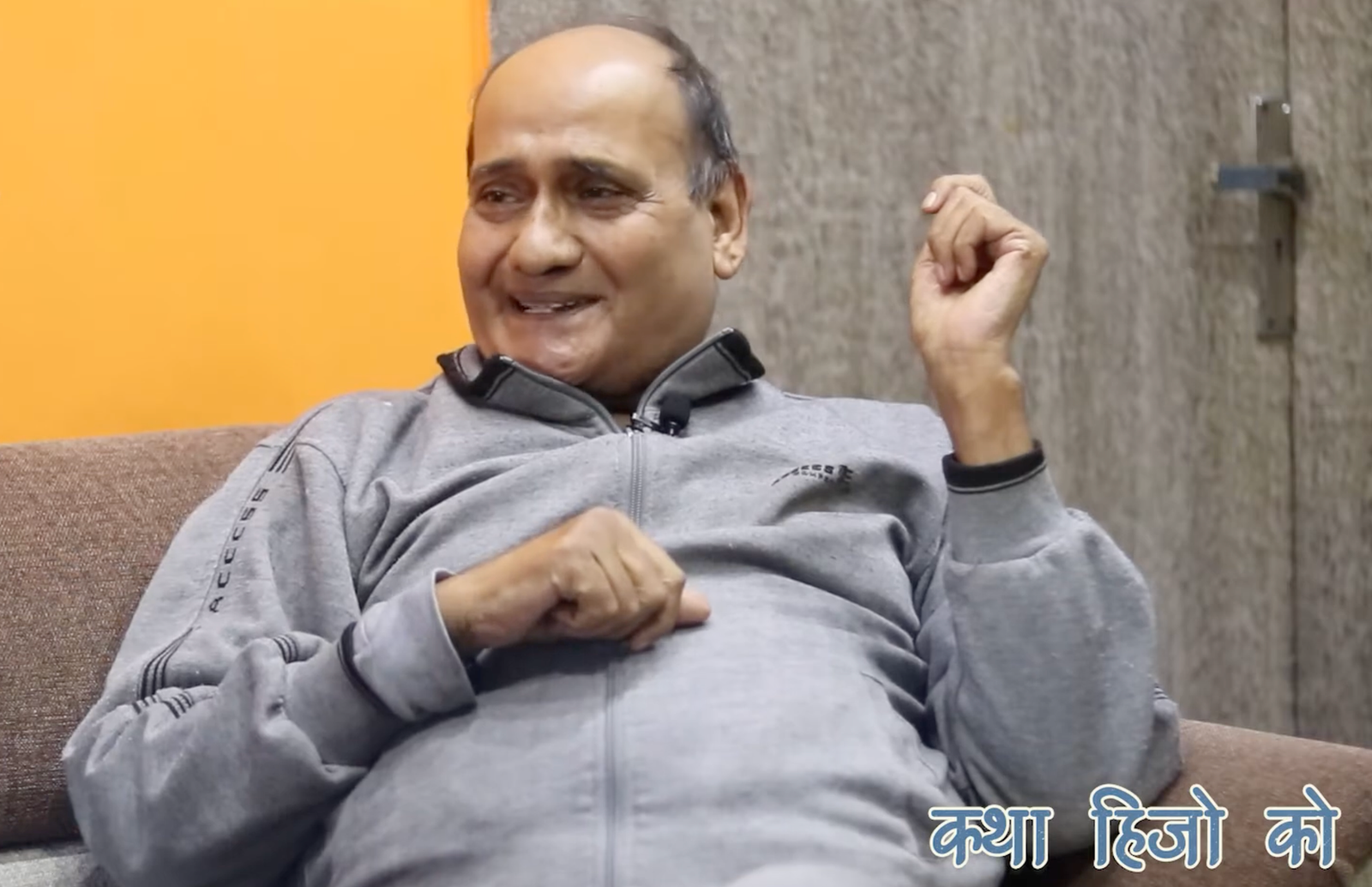 Featured voice
Prof. Dr Rajendra Prasad Bimal (1947–2026) was a Janakpurdham-based writer, linguist, educator and cultural activist whose work made important contributions to both Maithili and Nepali literary life. A long-time Tribhuvan University educator, he worked across fiction, poetry, drama, criticism, children's literature, translation and linguistics. He was also active in the preservation and promotion of Maithili language and culture and received major honours including the Jagadamba Shree and the BP Koirala Memorial Literary Award.
Enter this story ↗More voices in the archive
02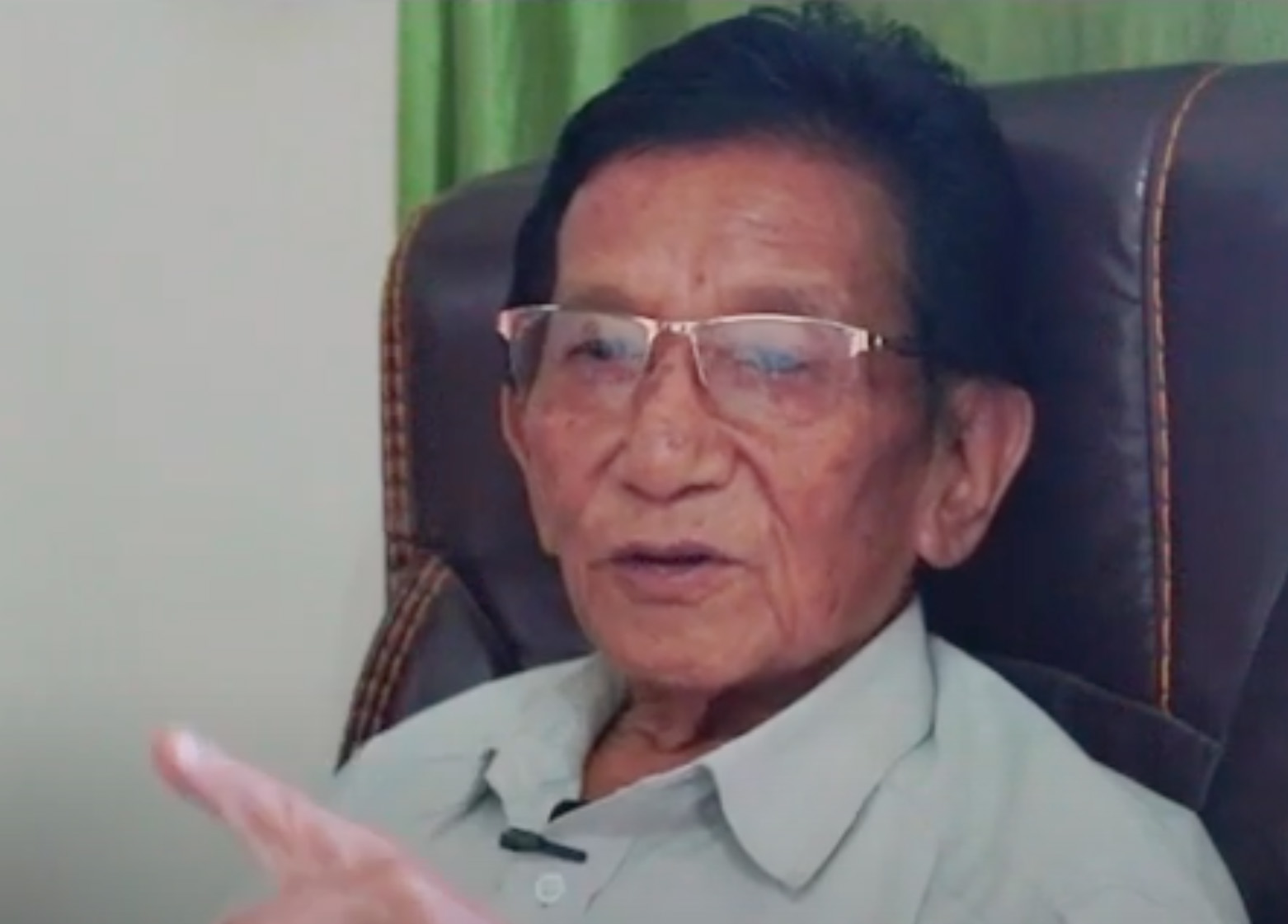 Dr. Bhampa Rai
Damak-5, Jhapa district, Nepal
03
K
Khim Bahadur Kunwar
04
T
Tilak Bahadur Paudel
05
T
Trilochan Parajuli
Dr. Bhampa Rai
Damak-5, Jhapa district, Nepal
03
K
Khim Bahadur Kunwar
04
T
Tilak Bahadur Paudel
05
T
Trilochan Parajuli
A country remembers itself through the people who can still tell us how it felt.
From the field journal
Travel notes, oral histories and moments from the road — pulled from the published archive.
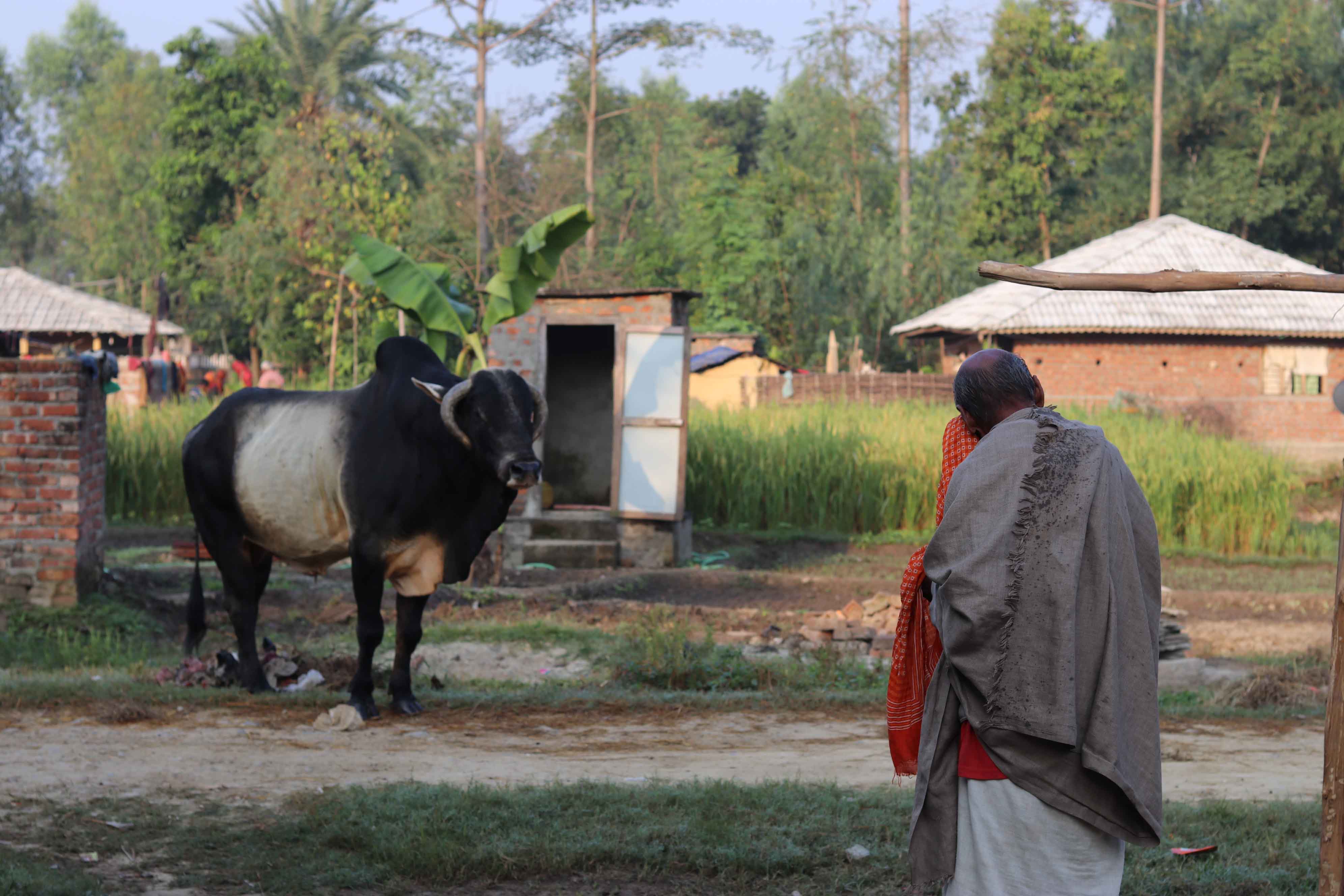
An elder in Lalbandi recalls the days when a single matchbox could last five days, while his family offers us cow’s milk and tea. It’s a glimpse of how life once was — simple, kind, and rooted in trust.
Read the full story ↗From laboring on Nepal’s longest highway to meeting the King—his story is one of quiet strength and love.
and we couldn't capture everything
In this Katha Hijo Ko oral-history interview, an elder remembers a period when remaining in Bhutan was no longer possible. He recalls warnings, the presence of the army, leaving home and the uncertain journey through India before eventually reaching Nepal.
Watch & listen
How one memory becomes an archive
Technology matters, but trust matters more. The process is deliberately human.
Start with the person, not a shot list. Let the conversation find its own rhythm.
Capture voice, expression, place and the small details that give memory its texture.
Organise the material so a story remains findable long after the interview is over.
Return the story to families, communities and younger generations who can carry it on.
Help the living archive grow
Introduce us to an elder, or help support the travel and time required to preserve a story properly.